
अपने दोस्तों/अनुयायियों को आमंत्रित करें
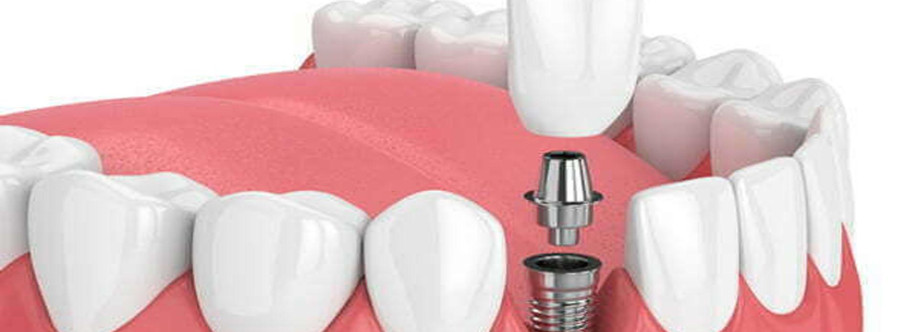
The rate and quality of initial osseointegration are directly governed by the topographies and chemical profiles of an implant’s surface. Traditional sandblasted and acid-etched (SLA) titanium surfaces are highly predictable, but modern research focuses on bio-active nano-coatings to accelerate bone healing. This advancement is especially valuable for medically compromised patients, such as individuals with controlled diabetes or osteoporosis, who suffer from compromised bone healing. Lukomska-Szymanska (2025) published a comprehensive materials review mapping recent innovations in implant surficial chemistry and alternative structural polymers.MethodologyThis comprehensive review analyzed recent laboratory experiments, animal models, and early-stage human clinical trials assessing implant surface modifications. The research specifically contrasted four modern material frontiers:Hydrophilic SLA Surfaces: Titanium chemically stored in nitrogen or saline to prevent carbon contamination.N